The largest impacts of air pollution are associated with noncommunicable diseases such as lung and cardiovascular diseases. However, air pollution’s toll on communicable diseases cannot be underestimated.
Tuberculosis is the leading cause of death by a single infectious agent globally, and its impacts are largely seen in lower-income countries, including in Africa and parts of Asia. These are also regions with the highest air pollution exposures and related health impacts. There is growing evidence suggesting a link between exposure to air pollution and the onset of tuberculosis.
We’re pleased to announce an upcoming State of Global Air special report on air pollution and tuberculosis in early 2027. The report will be released in partnership with the International Union Against Tuberculosis and Lung Disease.
The report will include:
- evidence on the association between exposure to air pollution and tuberculosis
- trends in disease burden for tuberculosis in relation to air pollution based on data from the Global Burden of Disease Study
- lived experiences from the field
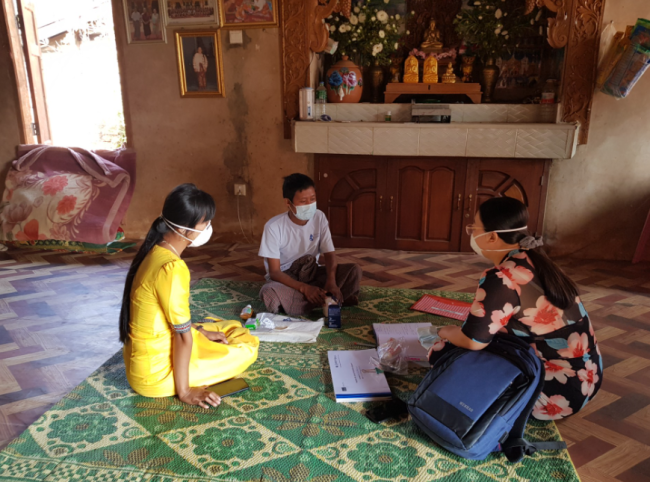
One person under my care lived near a municipal waste disposal area. During my home visits, I personally struggled to tolerate the strong odour surrounding the household. He had been continuously exposed to this environment for years. Coming from a low-income family, he also suffered from malnutrition and recurrent anaemia, requiring additional medical attention during his treatment.
Throughout the early phases of treatment, his progress was slower than expected. He frequently complained that his cough, breathing difficulties and general discomfort persisted whenever he was at home. His treatment adherence was also affected by his poor living conditions and socioeconomic challenges. Despite receiving appropriate anti-TB medication, his overall health improvement remained limited.
Midway through treatment, he moved to another city for work and housing opportunities. During subsequent follow-up, we observed a significant improvement in both his clinical condition and treatment response. Although many factors may have contributed to this improvement, the change in his environmental exposure appeared to play an important role. This experience highlighted the potential impact of long-term exposure to unhealthy environmental conditions on TB recovery and respiratory health.
- Nang Tin May Lin, drug-resistant TB field officer, Myanmar, The Union
Additional resources:
- Conversation with Jill Baumgartner, McGill University on air pollution and tuberculosis (April 2025): https://www.youtube.com/watch?v=hGHLMBbqZmg