
Population-weighted annual average PM2.5 concentrations in 2023. Hover or tap to explore the data.

Numbers of deaths attributable to PM2.5 in 2023. Hover or tap to explore the data.


About PM2.5

PM2.5, or fine-particle air pollution, consists of airborne particles measuring less than 2.5 micrometers in aerodynamic diameter, and is most often produced as a result of combustion. Breathing these particles over a long period of time can make you sick in a number of ways.

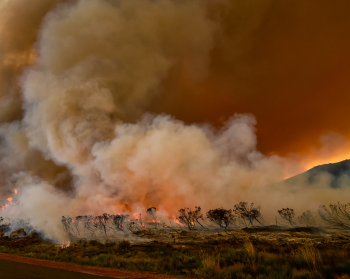
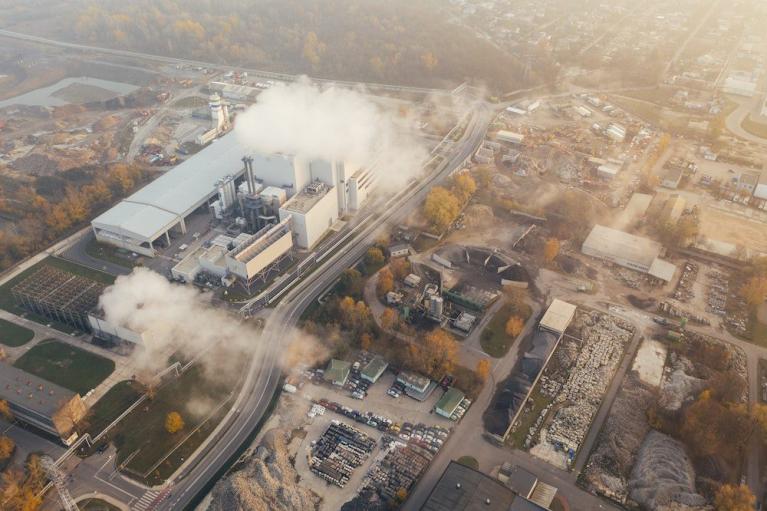
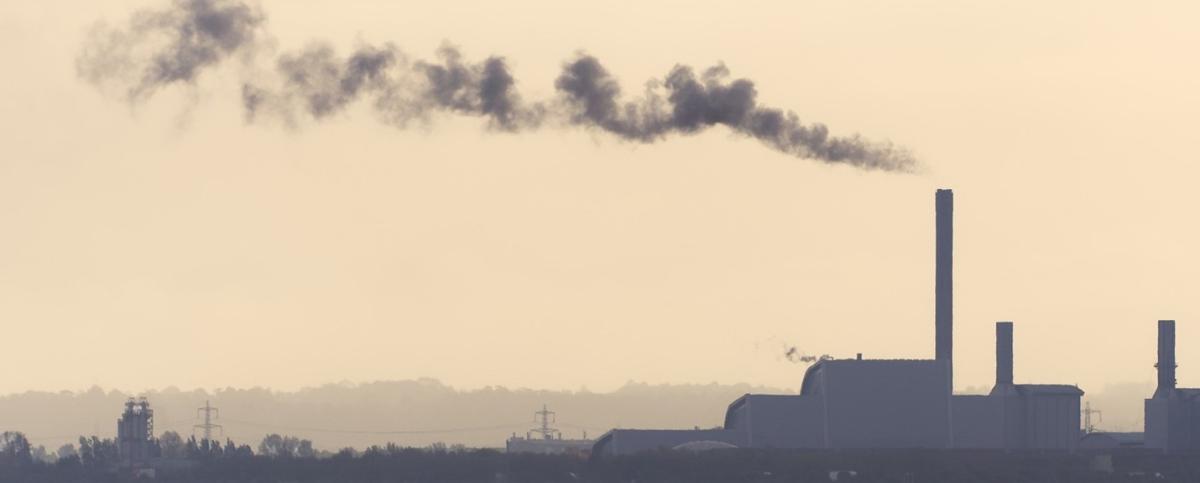
This type of pollution comes from coal and other fossil fuel burning power plants, vehicle emissions, industrial emissions, waste burning, and many other human and natural sources. 

Health effects of PM2.5 include ischemic heart disease, lung cancer, chronic obstructive pulmonary disease (COPD), lower respiratory infections (such as pneumonia), stroke, type 2 diabetes, dementia, and adverse birth outcomes. Learn more about the health effects of air pollution, including PM2.5.
 

Image
smoke stack


Why it Matters

Although 99% of people on Earth are exposed to levels of PM2.5 pollution above the annual WHO guideline level of 5 µg/m3, the good news is that 83% of the world's countries already meet the Interim Target 1 (IT-1, 35 µg/m3) for annual PM2.5. Also, the national annual average concentrations met IT-1 in 170 countries, similar to a decade ago.

 

Image
woman and child


Understanding — and reducing — PM2.5 pollution matters because human lives matter. On a national and global scale, air pollution imposes a serious burden on society and limits opportunities for economic growth.

Fortunately, it is possible to reduce PM2.5 pollution. Transitioning to cleaner energy, strategies to reduce industrial emissions, and efforts to reduce transportation-related pollution can improve air quality. Similarly, a shift to sustainable agricultural practices and improved solid waste management reduce PM2.5 emissions from open burning of crop residues and household waste.
Trends in PM2.5 exposure levels from 2010-2023 (left) and deaths attributable to PM2.5 from 2010-2023 (right). Overall PM2.5 exposures have dropped slightly, but the health burden has increased.

Trends in PM2.5 exposure levels from 2010-2023 (left) and deaths attributable to PM2.5 from 2010-2023 (right). Overall PM2.5 exposures have dropped slightly, but the health burden has increased.


PM2.5 and health trends

The good news is that globally, PM2.5 levels declined slightly from 2013 to 2023. The most notable improvements occurred in Southeast Asia, East Asia, and Oceania, driven largely by air quality improvements in China. Other regions, like South Asia, have seen an overall increase in PM2.5 exposure since 2013, with a slight decrease seen in 2022. Across Africa and the Middle East, exposure to PM2.5 has remained relatively consistent throughout the last decade, with slight decreases seen in 2023.

Despite a slight overall decline in PM2.5 exposures, the global health impacts from PM2.5 are rising, with especially steep increases in Asia. In 2023, PM2.5 pollution contributed to 4.9 million deaths worldwide, contributing to 8% of the disease burden from air pollution. Globally, deaths from PM2.5 exposure increased by about 24% from 2013 to 2023, even as PM2.5 exposure decreased. Two trends explain why. First, populations are growing fastest in regions with more pollution. Second, the global population is aging. Aging populations face worse impacts because older people are more vulnerable to diseases linked with air pollution. Of the total deaths, ~4.3 million deaths (87%) were in low- and middle-income countries, as defined by the World Bank.

Change in PM2.5 exposure levels (left) and deaths attributable to PM2.5 (right) in the 20 most populous countries from 2010–2023. Together, India and China account for 56% of the total global mortality burden due to the combination of high death rates and large populations.

Change in PM2.5 exposure levels (left) and deaths attributable to PM2.5 (right) in the 20 most populous countries from 2010–2023. Together, India and China account for 56% of the total global mortality burden due to the combination of high death rates and large populations.