CLEANER AIR, HEALTHIER CHILDREN
In 2023, a total of 676,000 deaths in children under five were linked to exposure to air pollution, representing 27% of all global deaths in children under five years.
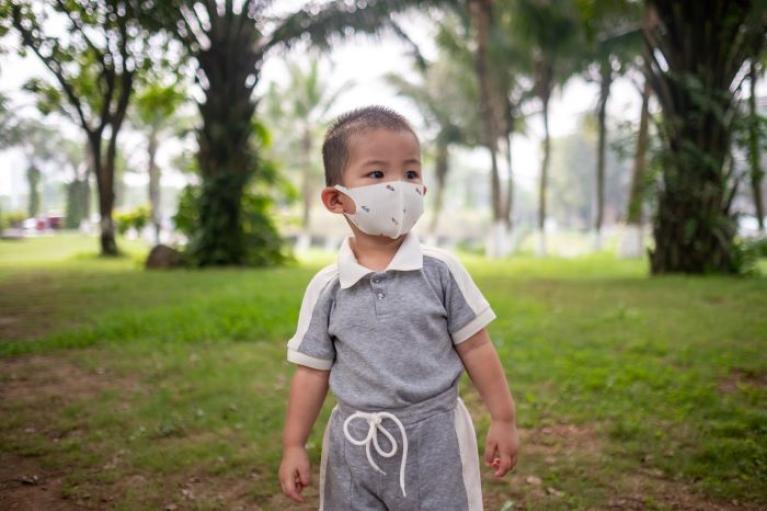
Children face special risks from air pollution for two main reasons: first, they often inhale more polluted air than adults and, second, the polluted air affects their health in different ways because their lungs, brains, and other organs are immature, and their immune systems are still developing. This means that their bodies are not equipped with the same defense mechanisms as adults. Air pollution can interfere with a child’s growth and development, leading to lifelong impacts.
RISK IN THE HOME
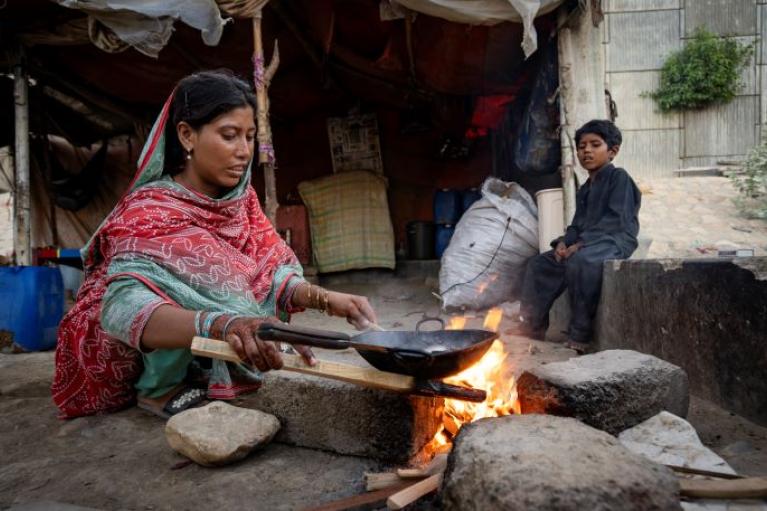
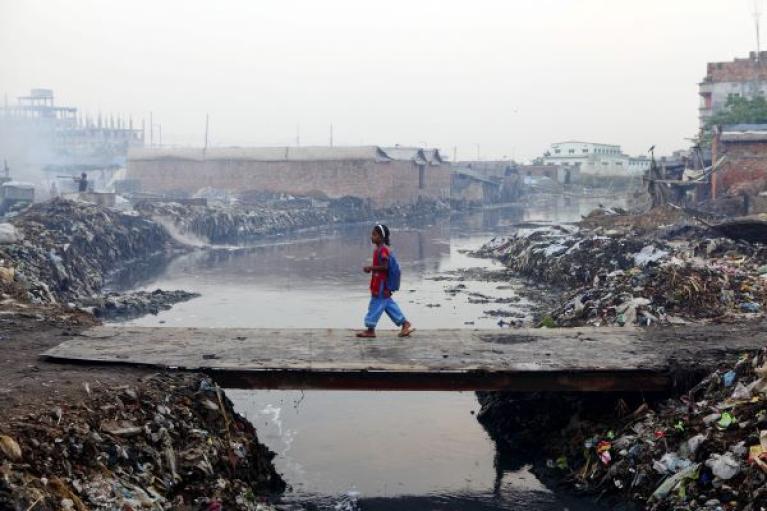
Of the children’s deaths attributable to air pollution globally, three-fourths (75%) are related to household air pollution, which mostly comes from burning solid fuels for cooking. The rest are attributable to ambient PM2.5, which comes from emissions from power plants, transportation, industries, waste combustion and other sources.
Many of air pollution’s harmful effects are amplified in children who live in communities that are socially or economically disadvantaged. The rates of air pollution–related deaths among children under 5 years have remained high in some regions, particularly South Asia and East, West, Central, and Southern Africa.
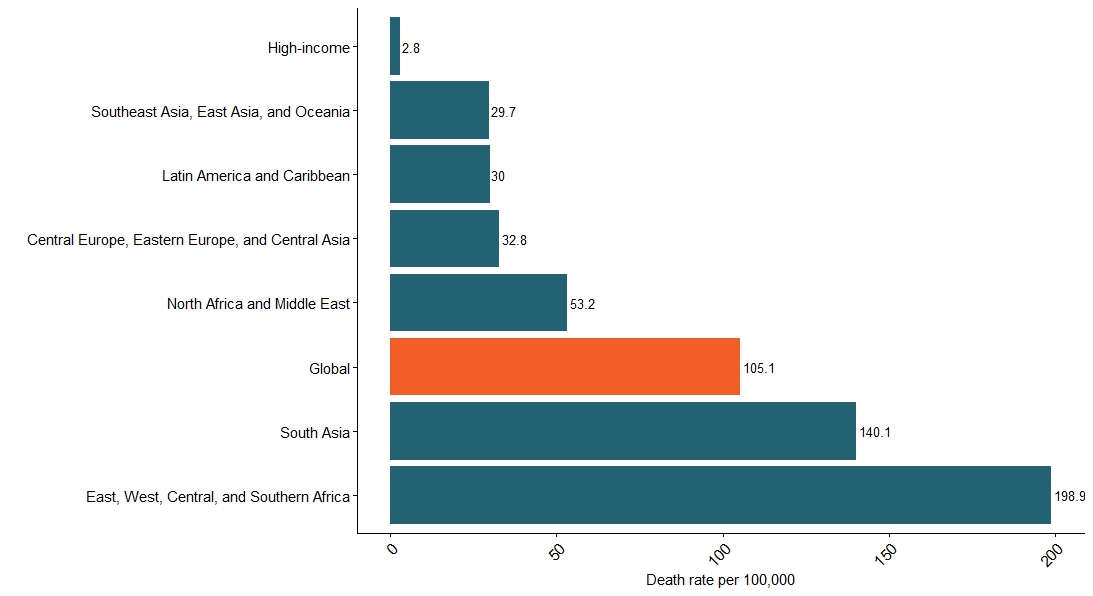
Number of childhood deaths (<5 years of age) attributable to air pollution in 2023. The heaviest burden is seen in regions where it is common to burn solid fuels for cooking.