Proportion of each country’s population cooking with solid fuels in 2023. Hover or tap to explore the data. 

Total deaths attributable to household air pollution in 2023. Hover or tap to explore the data.


About Household Air Pollution

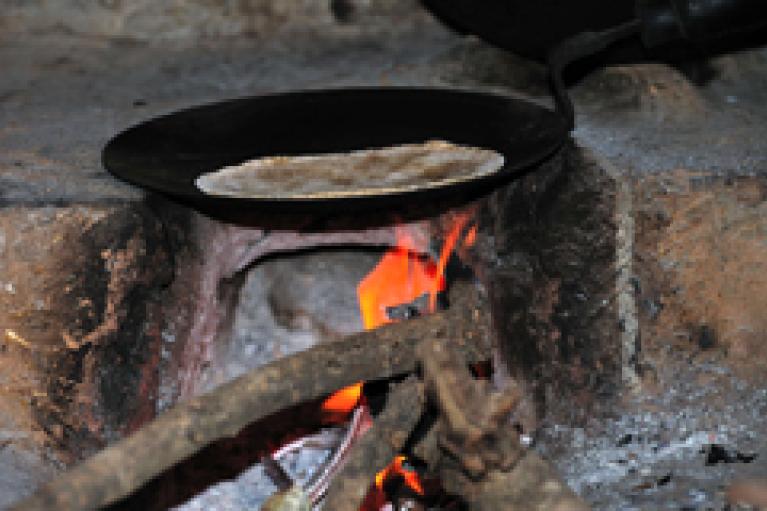
Household air pollution exposure results from burning solid fuels for cooking, heating, or other domestic tasks. Burning these fuels produces an array of health-harming pollutants, including PM2.5 and its constituent black carbon and carbon monoxide. 

The health effects of exposure to HAP include an increased risk of ischemic heart disease, lung cancer, chronic obstructive pulmonary disease (COPD), lower respiratory infections (such as pneumonia), stroke, type 2 diabetes, and adverse birth outcomes. Exposure to HAP is also associated with the development of cataracts. 
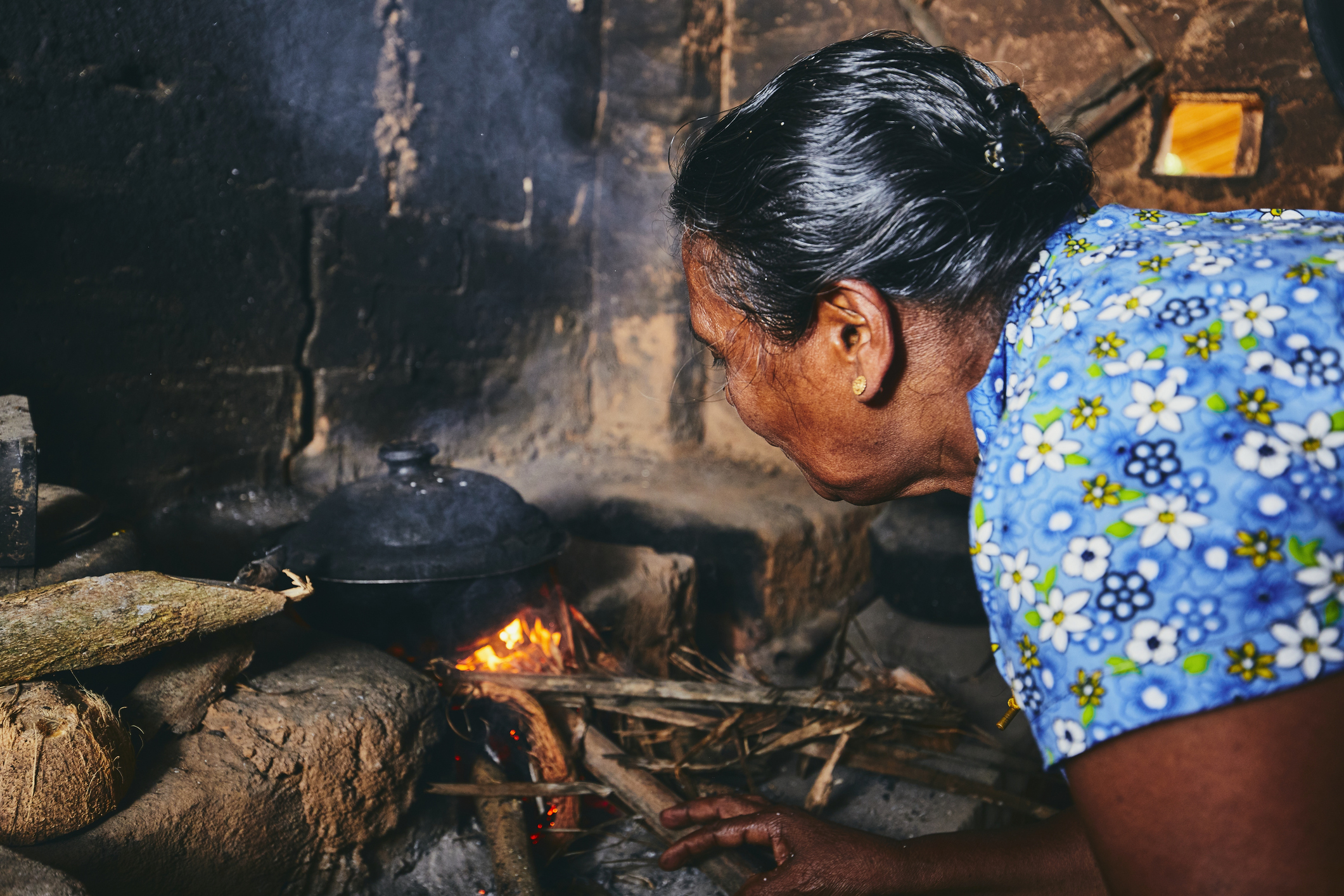
 

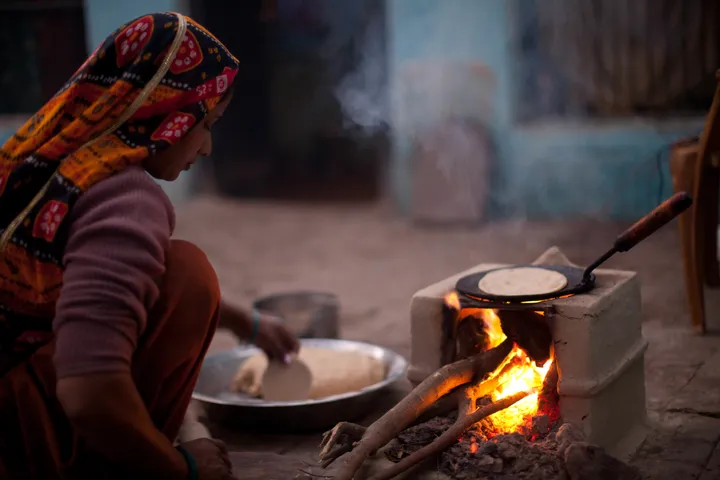
woman cooking


Why it Matters

Nearly half the world’s population is exposed to household air pollution. In 2023, 33% of the global population or about 2.6 billion people relied on solid fuels for cooking, a major source of HAP, and 2.8 million deaths were attributable to exposure to HAP.

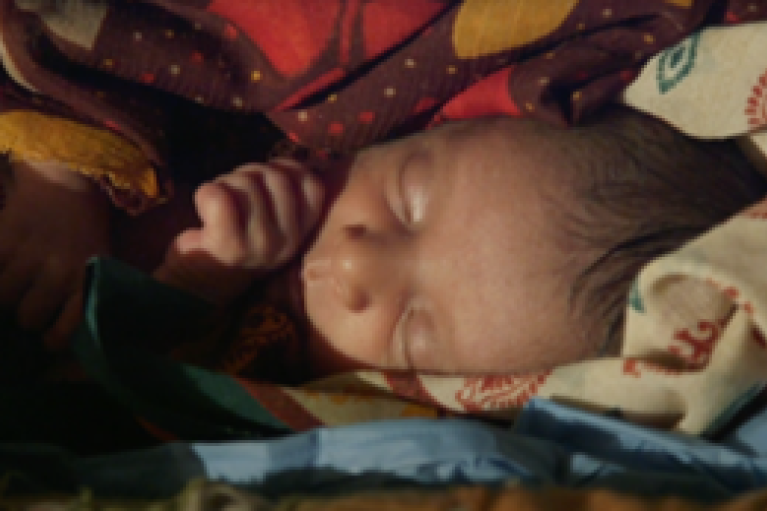
HAP is also a leading cause of pollution-related deaths among babies in their first month of life. In 2023, an estimated 21% of newborn deaths in the first week of life were due to HAP; over 500,000 deaths in children under five years were also linked to household air pollution.

HAP exposure is far higher in poorer countries than in wealthier ones. People living in less-developed countries more often have limited or no access to cleaner energy sources and rely on solid fuels that are subsidized or can be gathered locally. Many of these countries lack the infrastructure to provide clean energy cooking and heating solutions. 
 

Image
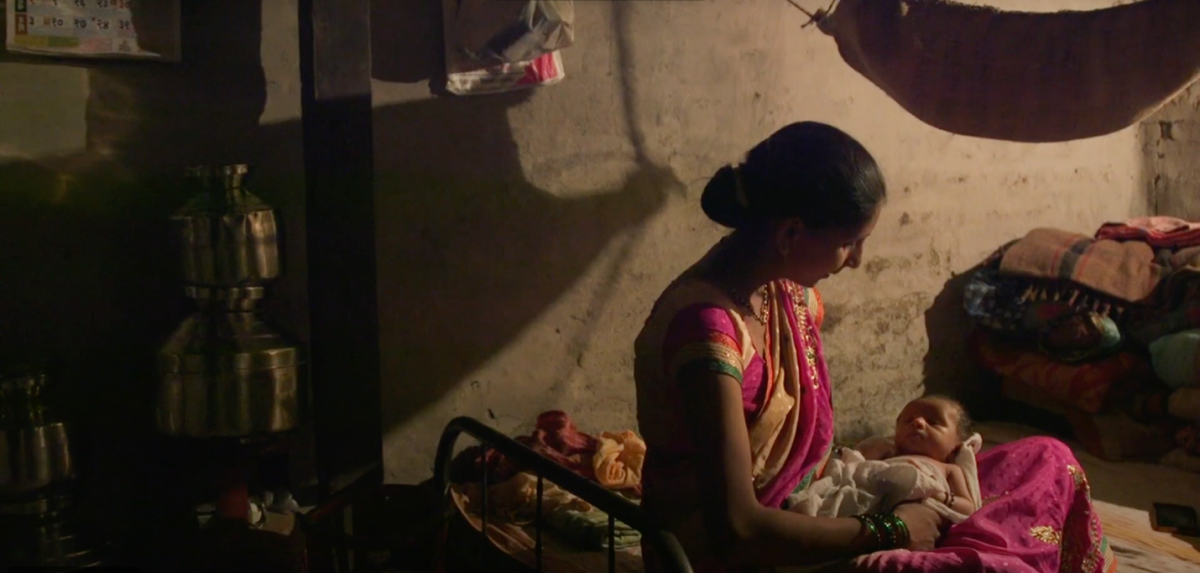
woman and infant


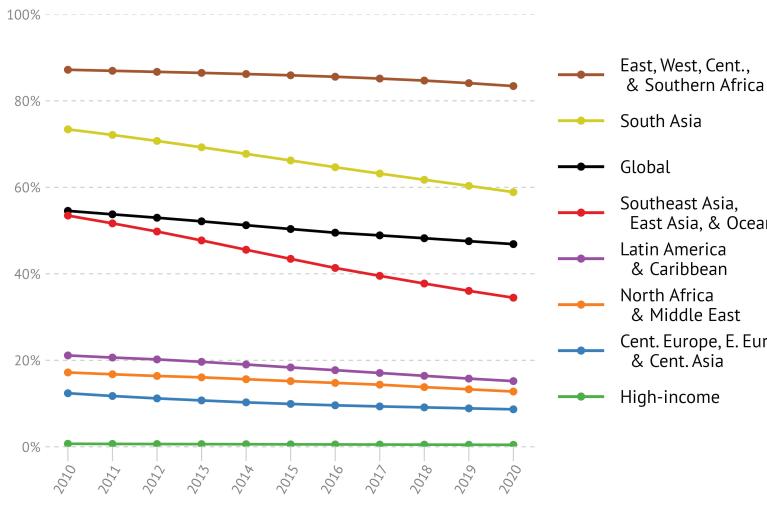
Trends in HAP exposure levels from 2010–2023 (left) and deaths attributable to HAP from 2010–2023 (right). Exposures and deaths have dropped overall, driven in part by a shift to cleaner fuels in China and India.  

Trends in HAP exposure levels from 2010–2023 (left) and deaths attributable to HAP from 2010–2023 (right). Exposures and deaths have dropped overall, driven in part by a shift to cleaner fuels in China and India. 


Household Air Pollution Trends

Overall, household air pollution exposures and deaths have fallen over the past decade. Global HAP exposures dropped 16%, and HAP-attributable deaths fell by 25% from 2013–2023.

The most notable improvements were seen in China and India, where aggressive campaigns led to widespread adoption of cleaner fuels. From 2013 to 2023, China reduced the percentage of its population exposed to household air pollution from 52% to 32%, while India reduced its percentage from 63% to 42%.  

Progress has been slower in Africa. In 24 African countries, over 90% of the population is exposed to HAP from cooking with solid fuels. Several African countries have seen a rise in the number of people exposed to HAP despite achieving a reduction in the percentage of households relying on solid fuels. This is because population growth outpaced reductions in the use of solid fuels.

The solution to addressing household air pollution is simple and its impact is clear: improve access to clean cooking and improve public health. However, the experience from countries shows that major improvements in access to, and use of clean energy for cooking and heating can only be achieved through sustained government action through, for instance, implementation of the UN Sustainable Development Goal (SDG) target 7.1.2 (ensure access to clean energy in homes). Additionally, reducing use of solid fuels for cooking can also help reduce short-lived climate pollutants. 

Change in household air pollution exposure levels from 2010-2023 (left) and deaths attributable to household air pollution from 2010-2023 (right) in the 20 most populous countries. Exposures and deaths have decreased in many countries but remain high in much of Africa. 

Change in household air pollution exposure levels from 2010-2023 (left) and deaths attributable to household air pollution from 2010-2023 (right) in the 20 most populous countries. Exposures and deaths have decreased in many countries but remain high in much of Africa.